Fire and Herbivory Shape Non-forested Ecosystems: Research Brief
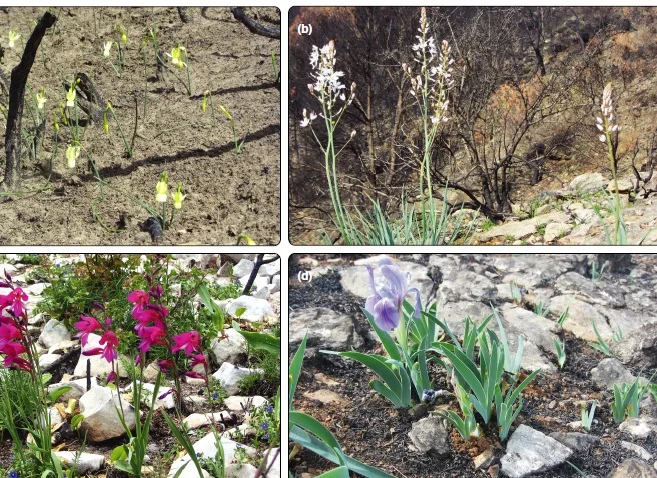
/This research brief adds evidence that plant consumers (i.e., fire and vertebrate herbivory) are key evolutionary drivers for shaping global vegetation patterns.
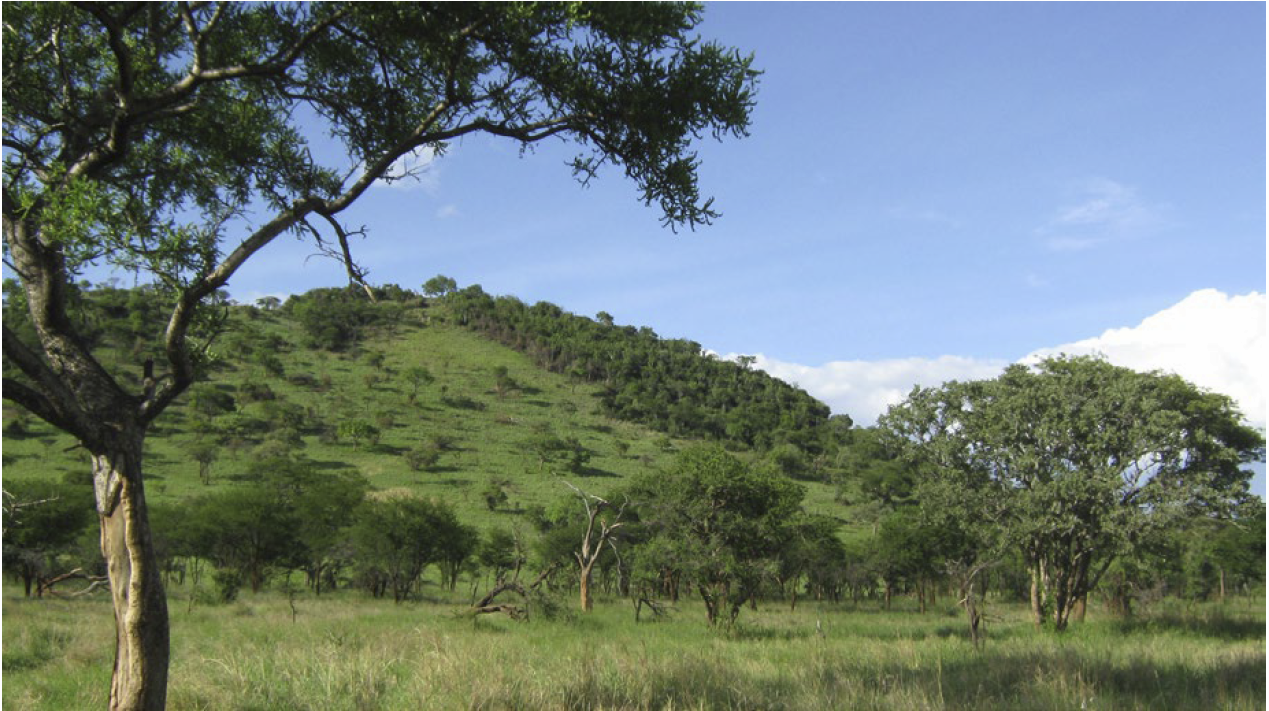
Read MoreThis research brief adds evidence that plant consumers (i.e., fire and vertebrate herbivory) are key evolutionary drivers for shaping global vegetation patterns.
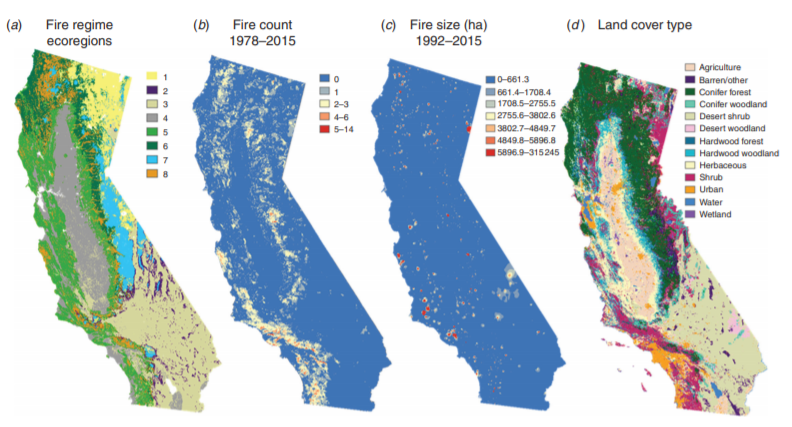
Read MoreThis California Fire Regime Ecoregion classification map (i.e., using clustered driver variability layers) aims to devise a fire regime classification that better aligns with ecosystem types.
Read MoreThis synthesis summarizes the findings from four different research articles which explore different aspects of how the fire history of the Illilouette Creek Basin in Yosemite National Park has affected its water resources.
Read MoreThis synthesis draws recommendations from four studies that are relevant to prescribed burning as a fuels reduction method in young stands. Most studies also looked at potential effects of mastication as a fuels treatment in comparison to prescribed burning.
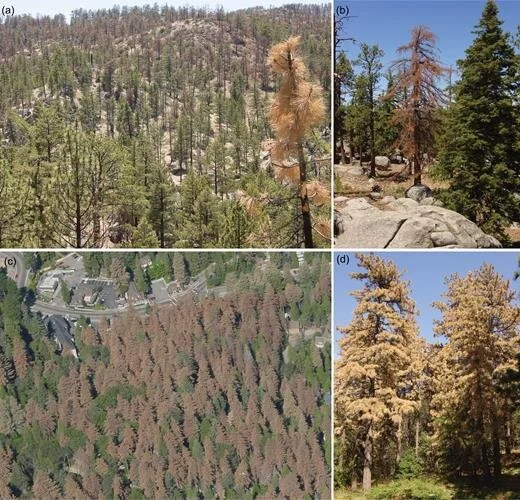
Read MoreThis Overview Article summarizes research relevant to understanding short- and longer-term effects of massive tree mortality in what were historically frequent fire forests of California, presents results on fire severity from a recent wildfire that burned through severe tree mortality, and makes management recommendations for reducing future tree mortality and increasing forest resilience and adaptation to climate change.
Read MoreThis paper contrasts the two most important factors driving large fires: fuel-dominated vs. wind-dominated wildfires.
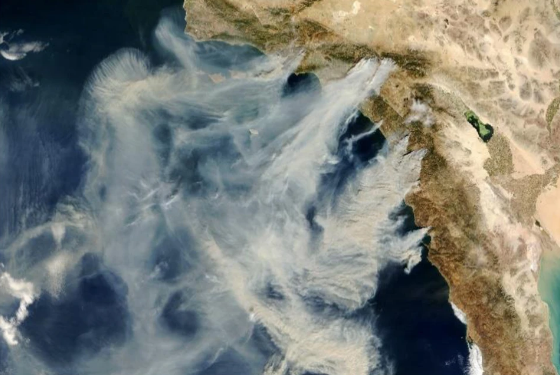
Read MoreThis paper explores whether human or natural ignition (lightning) sources are linked to wildfire occurrence during Santa Ana wind events. While lightning ignitions during Santa Ana conditions have been rare in the past, predictions under anthropogenic climate change project drier fuels during the winter months when lightning and Santa Ana winds are more likely to occur simultaneously, increasing the future potential for devastating wildfires.
Read MoreAssisted natural regeneration (ANR) is an alternative aimed at encouraging site conditions favorable for natural regeneration through actions such as alleviating limitations on viable seed production, germination, and seedling survival. Two ANR approaches were tested on the Mojave Desert foundation species, the creosote bush.
Read MoreHardening homes was strongly correlated with structure survival in the Wildland Urban Interface. The best ways to “harden homes” are to: enclose eaves and use multiple pane windows; use fire-resistant exterior siding, composite deck materials, and fine-mesh vent screens.
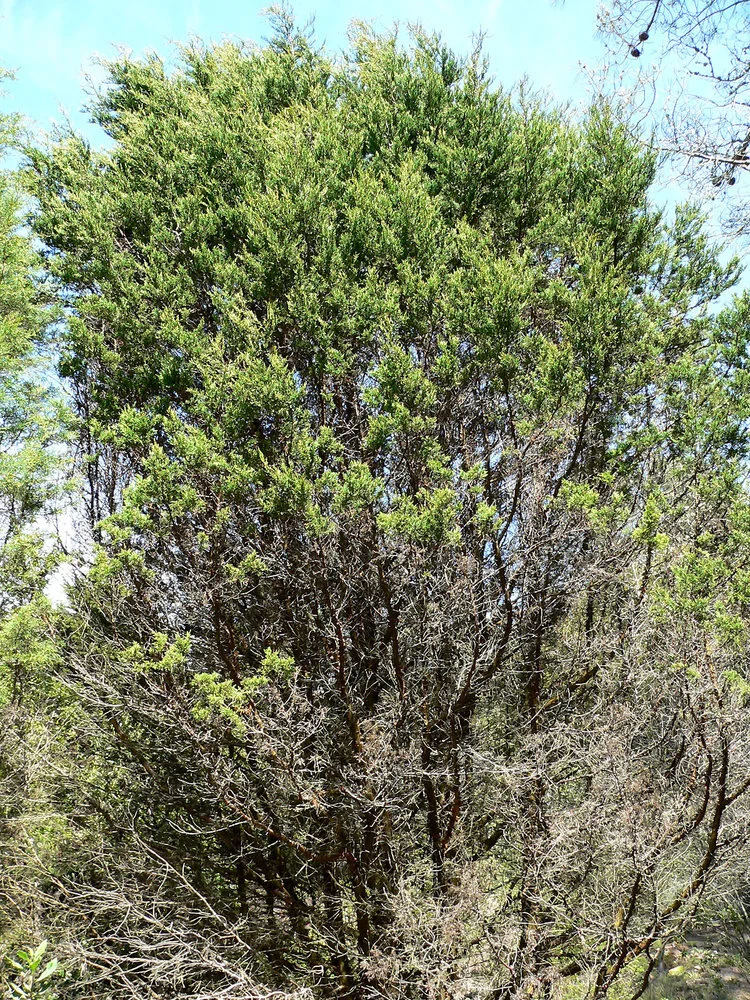
Read MoreAfter a fire burned through a stand of Tecate cypress, researchers observed that prefire stand age was the most significant factor for recovery after the disturbance.
Read MoreWatch this short documentary on why fire is needed in the Sierra De San Pedro Mártir in Baja California with interviews from some familiar faces. (Spanish subtitles)
Read MoreA recent study in press with Ecological Monographs collected and analyzed a long-term data set of fluctuations in perennial plant communities in the eastern Mojave Desert. During the 37-year period, most measures of the native perennial plant community changed temporally.
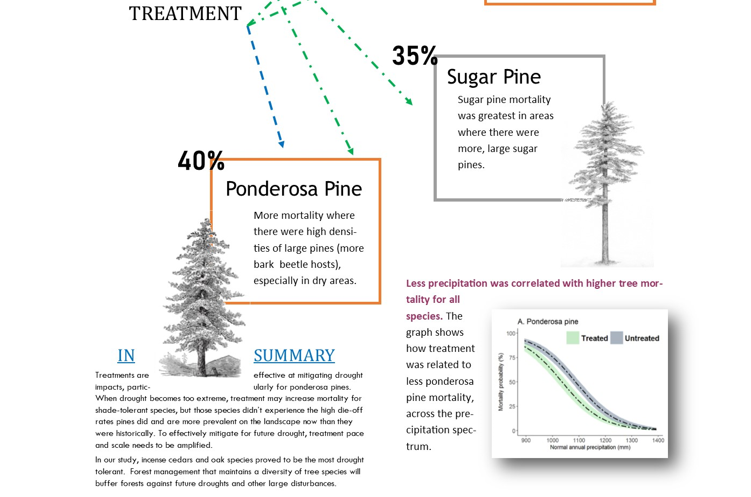
Read MoreThis paper compares tree mortality patterns in treated (thinned and/or burned) forested stands to untreated stands and how these treatments affect forest response to drought.
Read MoreFor many fire-adapted ecosystems, prescribed fires and managed wildfires are valuable tools for mimicking and maintaining natural fire’s full assortment of invaluable Ecosystem Services.
Read MoreIn light of climatic trends, historic fire suppression, increasing incidence of large wildfires, and shrinking budgets, the authors propose a planting strategy that prioritizes accessibility, while reducing efforts within the dispersal range of seed trees and in areas with a high cost to probability-of-success ratio.
View Research Brief PDF >
Both climatic and land use factors will have an effect on long-term spatial and temporal patterns of fire and structure loss within California.
Read MoreIn the Sierra Nevada most historical stand structure studies have focused on drier pine-dominated forests. This paper helps to fill a gap by contributing information on historical structure in more mesic forests with more moderate amounts of moisture.
View Research Brief PDF >
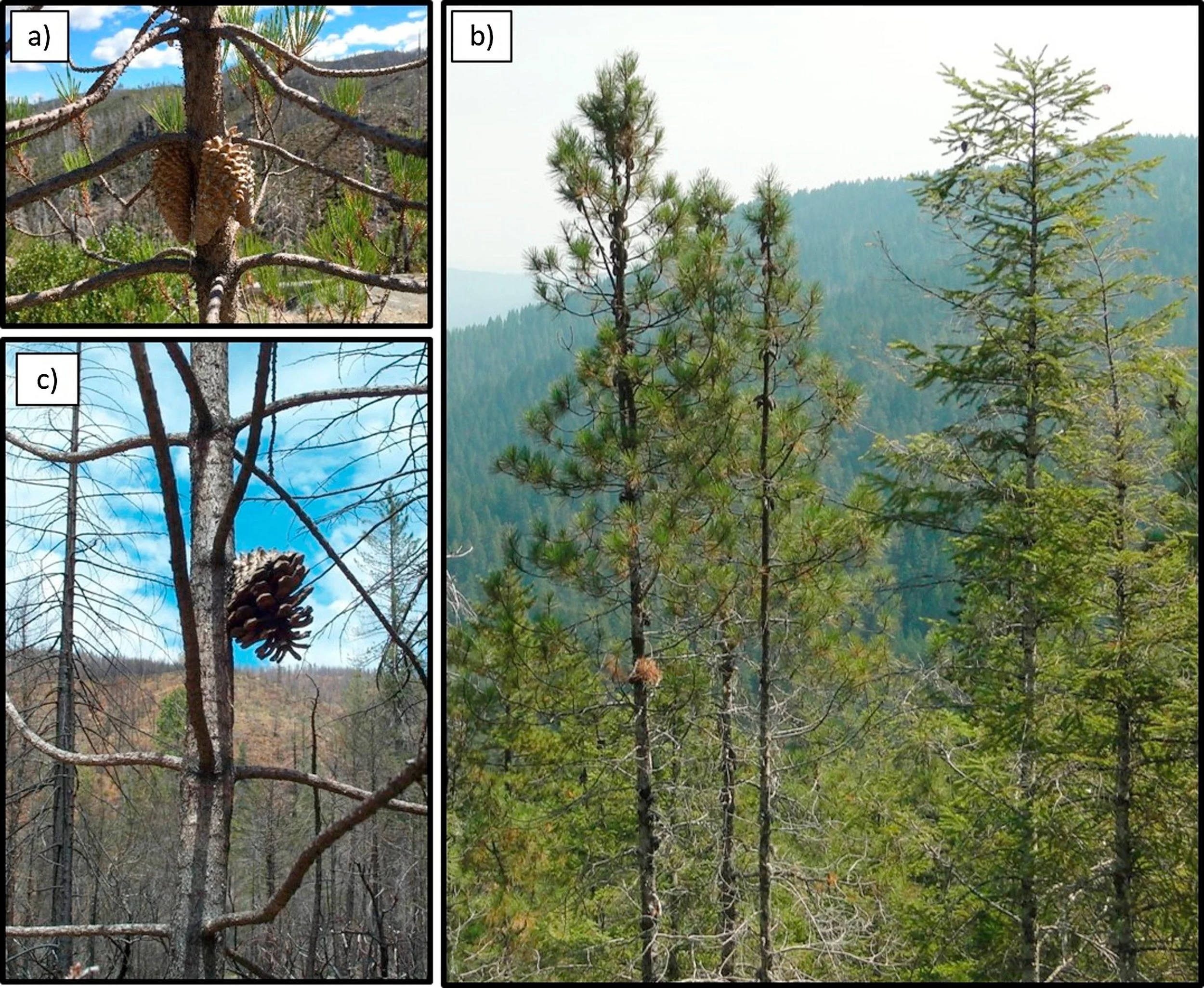
Research results show that Knobcone pine populations are extremely dynamic, with losses, gains, extirpation and colonization occurring among different populations across its range.
Read MoreIf the fire has characteristics that do not fit the historical fire regime with which the fire-adapted ecosystem has developed, then it may impact resilience and cause a shift in ecosystem characteristics.
Read MoreThe authors show how live fuel moisture content in chaparral shrub species is highly variable. This brief offers new recommendations on how to best use live fuel moisture content as a measure of fire risk.
Read More
The California Fire Science Consortium is divided into 4 geographic regions and 1 wildland-urban interface (WUI) team. Statewide coordination of this program is based at UC Berkeley.
View the about page to learn more >
This regional Fire Science Exchange is one of 15 regional fire science exchanges.
Link to another exchange: