Why Should Old-growth Chaparral Be Protected? Research Brief

Why Should Old-growth Chaparral Be Protected? Research Brief

Old-growth chaparral systems are biodiversity hotspots that need to be protected for legal, functional, and ethical reasons. This learning module describes these Mediterranean Type Climate systems from a global perspective so that we can better protect them.

View Research Brief PDF >

Read More

Ecological Correlates With Resprouting and Seeding: Research Brief

Ecological Correlates With Resprouting and Seeding: Research Brief

In northern, southern, coastal, and interior California, examples exist of paired sibling Arctostaphylos subspecies exhibiting two alternate life strategies for surviving disturbance: resprouting and obligate seeding. This is a wonderful opportunity to observe how natural selection might favor one life strategy type over another, particularly in “an era of rapid climate change."

View Research Brief PDF >

Read More

What affects fire behavior more, climate or fuels? Research Brief

What affects fire behavior more, climate or fuels? Research Brief

The authors examined the relationship between fuels and fire behavior by examining how fire suppression has affected fire severity in different forest ecosystems in California. The authors tested the hypothesis that fire behavior is limited by fuel availability in some California forests where climatic conditions during the fire season are nearly always conducive to burning and the primary limiting factor for fire ignition and spread is the presence of sufficient fuel.

View Research Brief PDF >

Read More

Proximate Causes of Abrupt Fire-Regime Changes: Research Brief

Proximate Causes of Abrupt Fire-Regime Changes: Research Brief

In many past and present ecosystems, changes in animal, plant, and human communities have been more influential in rapid local fire regime disruption than climate. The good news is that, unlike climate change, these direct, proximate community causes can be practically addressed by fire and resource managers.

View Research Brief PDF >

Read More

Understanding the Complex Nature of Resprouting: Research Brief

Understanding the Complex Nature of Resprouting: Research Brief

Resprouting plants are common throughout the world and resprouting is a familiar response to any kind of disturbance that kills living tissue. Resprouting is a seemingly simple trait that has complex underlying morphological and anatomical origins among diverse evolutionary lineages. 

View Research Brief PDF >

Read More
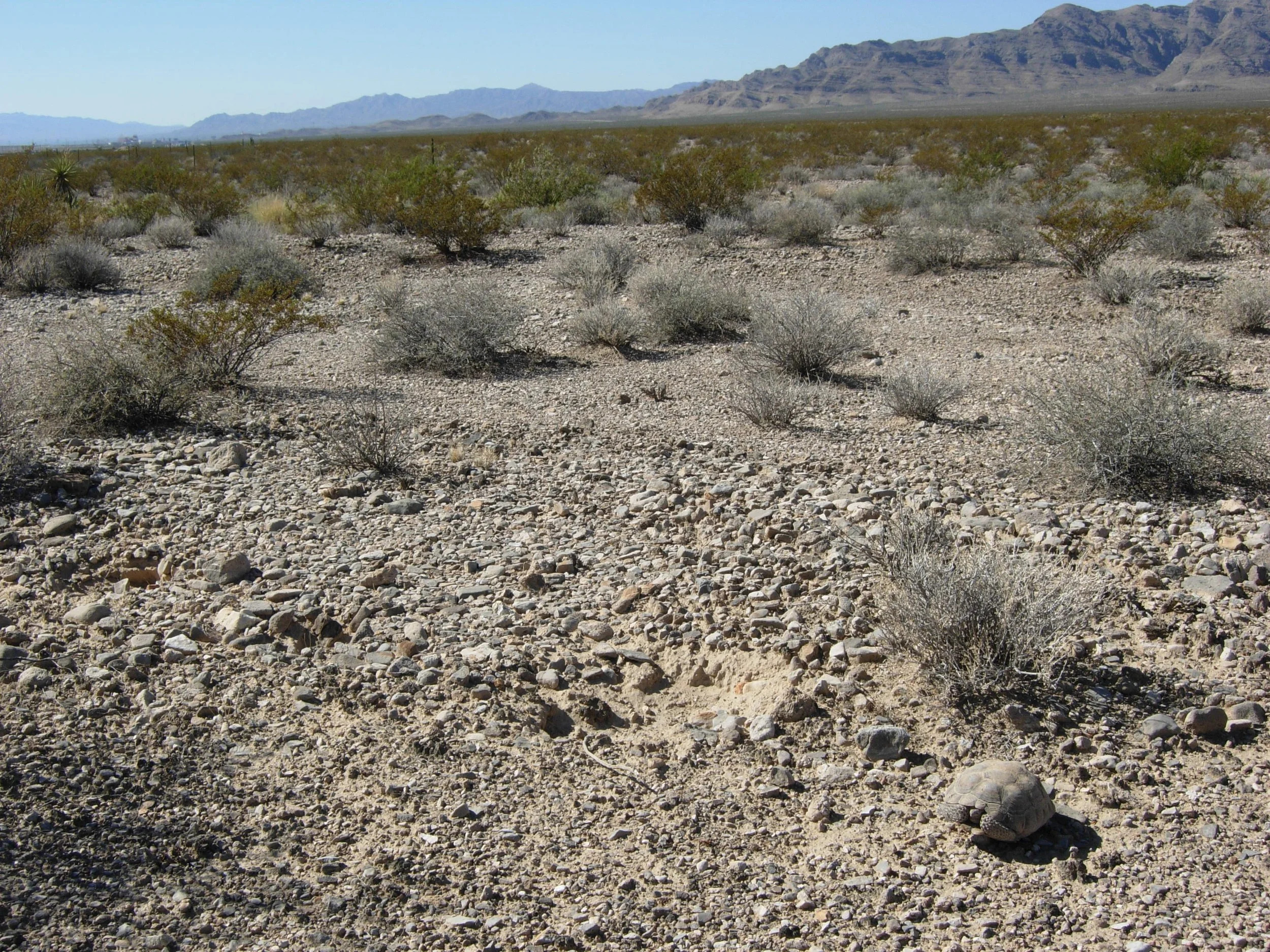
Evolution of Resprouting and Seeding by Fire: Research Brief

Evolution of Resprouting and Seeding by Fire: Research Brief

Some shrub species are obligate resprouters, some are obligate seeders, and others are facultative seeders, combining both resprouting and postfire seeding to various degrees. How could this diversity in fire response have evolved and how does it coexist?

View Research Brief PDF >

Read More
Prescribed burning and the drought: go or no go? Research Brief

Prescribed burning and the drought: go or no go? Research Brief

Research Brief/Management Consideration. One topic that is generating a great deal of interest among fire management professionals as California enters the fall prescribed fire season is whether we should be burning during this fourth year of drought.  This brief discusses what managers should consider before doing a prescribed burn.

View Research Brief PDF >

Read More

Principles of Effective Federal Fire Management Plans: Research Brief

Principles of Effective Federal Fire Management Plans: Research Brief

The six features of effective federal fire management plans are: consistent and compatible, 
collaborative, clear and comprehensive, spatially and temporally scalable, informed by the best
available science, flexible and adaptive. Additional tools and strategies are discussed.

Meyer, M. D., Roberts, S. L., Wills, R., Brooks, M., & Winford, E. M.. 2015. Principles of effective USA federal fire management plans. Fire Ecology 11(2): 59–83. doi: 10.4996/fireecology.1102059.

View Research Brief PDF >


Read More

Response of California Spotted Owls to Fire and Salvage Logging in Southern California: Research Brief

Response of California Spotted Owls to Fire and Salvage Logging in Southern California: Research Brief

In this study, the average core area of the owls’ pre-fire forest habitat was 106 ha with a greater proportion of hardwoods compared to an average core area of 180 ha in the Sierra in which conifers dominate. 

Read More

5-Years of Small Mammal Response to Fire Severity in a Southern California Mixed Conifer Forest: Research Brief

5-Years of Small Mammal Response to Fire Severity in a Southern California Mixed Conifer Forest: Research Brief

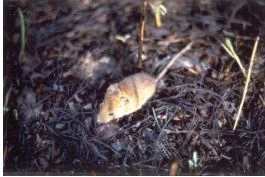
In this 5-year study, the post-fire populations and microhabitat preferences of four small mammal species were compared. The study analyzed preferences in unburned, moderate and high-severity fire in mixed conifer forest.

View Research Brief PDF >

Read More
The “Interval Squeeze”- Fire and Climate Change Combine to Accelerate Woody Plant Loss in Dry Climates: Research Brief

The “Interval Squeeze”- Fire and Climate Change Combine to Accelerate Woody Plant Loss in Dry Climates: Research Brief

Hotter, drier climates resulting from climate change will reduce the ability of woody plants to recover after fire. When combined with shorter fire return intervals, the resulting “interval squeeze” increases the risk for individual species extirpation.  

View Research Brief PDF >

Read More
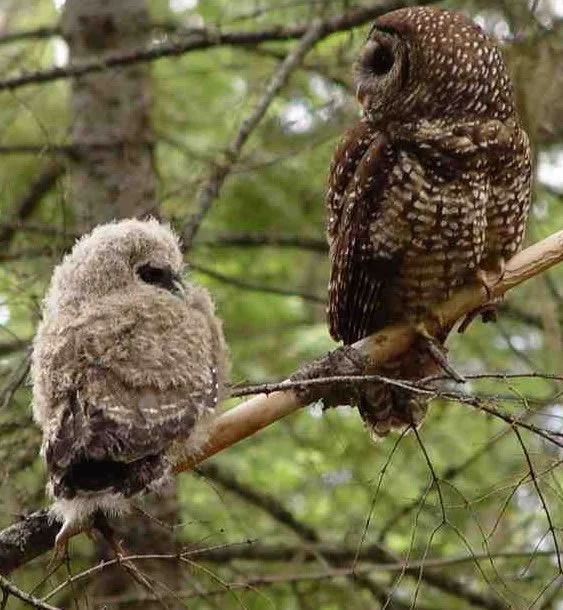
Fire and fuel treatment effects on understory plant diversity in California mixed-conifer forests: Research Brief

Fire and fuel treatment effects on understory plant diversity in California mixed-conifer forests: Research Brief

The authors surveyed understory vegetation across a gradient of increasing canopy loss, ranging from unmanaged forest to fuel treatments, fuel treatments followed by low-moderate severity wildfire, and high-severity wildfire only.

View Research Brief PDF >

Read More
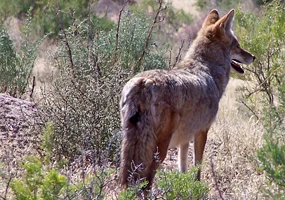
Synthesis of Knowledge of Extreme Fire Behavior: Volume I for Fire Managers General Technical Report

Abstract: The objective of this project is to synthesize existing (extreme fire behavior) EFB knowledge in a way that connects the weather, fuel, and topographic factors that contribute to development of EFB. This synthesis will focus on the state of the science, but will also consider how that science is currently presented to the fire management community, including incident commanders, fire behavior analysts, incident meteorologists, National Weather Service office forecasters, and firefighters. It will seek to clearly delineate the known, the unknown, and areas of research with the greatest potential impact on firefighter protection.
View Full Report PDF >

Read More

Historical and current structure in a Southern Sierra Nevada forest landscape: Research Brief

Historical and current structure in a Southern Sierra Nevada forest landscape: Research Brief

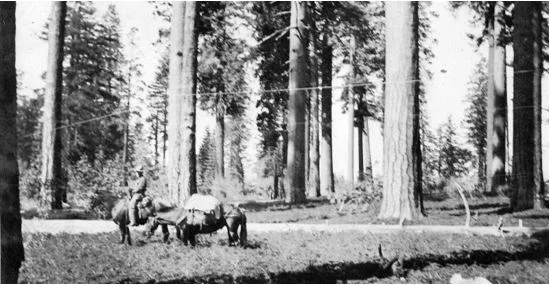
Compared to historic (1911) stands, current southern Sierra Nevada forests have a greater density of small to medium trees, lower density of large trees (>36 inches dbh), and greater density of white fir in mixed conifer. 

View Research Brief PDF >

Read More