The 2026 California Fire Science Seminar Series
The California Fire Science Seminar Series will return on January 21, 2025, at 11 am. Join us for weekly virtual presentations and discussions on emerging fire science topics from a range of topics and speakers.
Wednesday 1/21/26 – 11:00 AM: A framework for reconstructing pre-Euroamerican fire regimes in California
Wednesday 1/28/26 – 11:00 AM: Extreme wildfire ecology: lessons learned for integrated fire management
Friday 2/6/26 – 11:00 AM: Operational Outage, Ignition and Wildfire Risk Modeling at PG&E
Wednesday 2/11/26 – 11:00 AM: Community-Led Prescribed Fire and Fuels Reduction in Butte County, California
Wednesday 2/25/26 – 11:00 AM: Wildfire Impacts on California’s Agricultural Sector
Wednesday 3/11/26 – 11:00 AM: Wildfire smoke: drivers, impacts, and solutions
Friday 3/13/26 – 11:00 AM: After the Fire: Biodiversity on a Burning Planet
Friday 3/20/26 – 12:00 PM: Indigenous Fire Stewardship: Eco-Cultural Research for Wildfire Resilience in California and Beyond
Thursday 4/2/2026 – 12:00 PM: Traditional Ecological Knowledge in the Fire World
Past Seminars
A framework for reconstructing pre-Euroamerican fire regimes in California
Date: January 21, 2026
Time: 11:00 AM PT
Abstract: California’s fire regimes are shifting at an accelerating pace, driving ecosystem degradation and increasing risks to human communities. Effective, science-based responses require a strong foundation of evidence. As the use of fire as a management tool expands, it is critical to demonstrate its ecological benefits while carefully considering trade-offs such as smoke emissions. A key step in addressing this challenge is establishing the baseline conditions that existed before Euroamerican settlement (pre-1850). In this lecture, I will present a methodological framework for updating historical fire regime models and mapping in California, drawing on traditional ecological knowledge of fire use, historical maps, and scientific publications. This approach illustrates how archaeological evidence can be analytically integrated into large-scale, quantitative models, with significant implications for modern fire ecology. Reconstructing historical fire regimes also provides insight into long-term processes that profoundly influence current and future ecological dynamics.
Presented by: Andrea Duane, PhD
Dr. Andrea Duane is a postdoctoral researcher at the University of California, Davis, where she has been working since 2023. Before joining UC Davis, she built her research career in Spain, earning her Ph.D. at the Universitat Autònoma de Barcelona in collaboration with the Forest Science and Technology Centre of Catalonia. Her research focuses on quantifying changes in fire regimes, understanding their driving mechanisms, and assessing their impacts on ecosystems. Ultimately, her goal is to generate rigorous, policy-relevant knowledge that supports decision-making in the context of a changing climate, where the frequency and intensity of extreme wildfire events are projected to increase. In recognition of her contributions, she received the 2025 Award for Excellence in Postdoctoral Research from UC Davis.
Extreme wildfire ecology: lessons learned for integrated fire management
Date: January 28, 2026
Time: 11:00 AM PT
Presented by: Marc Castellnou, Wildland Fire Incident Commander and Fire Analyst, Catalan Fire Service, Spain
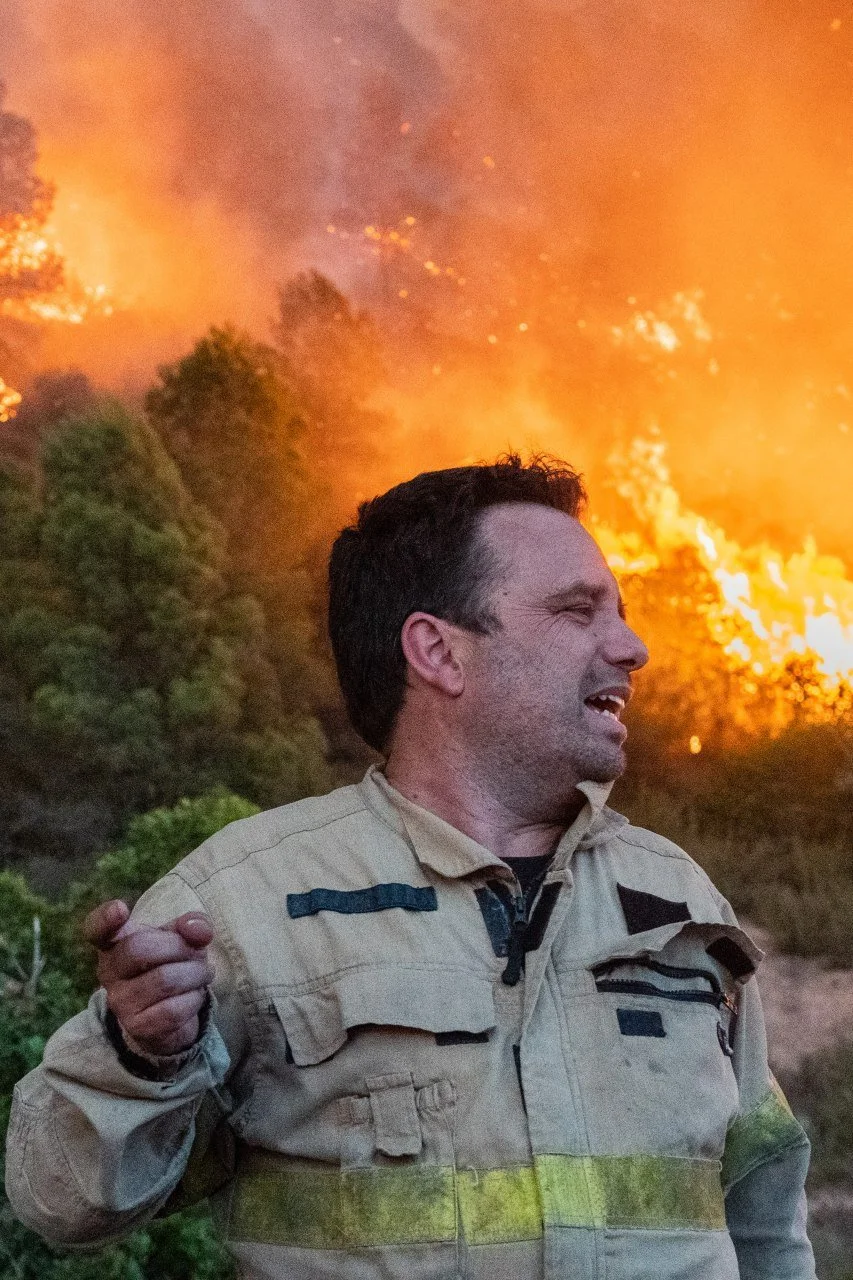
Marc Castellnou is an extrategic wildfire analyst and Incident Commander with the Catalan Fire Service in Spain, a role he has held since 1999. He has served as Chief of the Bombers GRAF Forest Fire Branch since 2001 and has been the director of the Catalan prescribed fire program since 1999. Since 2016, he has been a senior expert member of the European Civil Protection Mechanism. From 2011 to 2020, he served as President of the Pau Costa Foundation. His work has been recognized with the IAWF Safety Award in 2015 and the Batefuegos de Oro Award in 2021. He is also a Master Fuego professor at the University of Lleida (UdL), Spain.
Operational Outage, Ignition and Wildfire Risk Modeling at PG&E
Date: February 6, 2026
Time: 11:00 AM PT
Abstract: PG&E operates over 130,000 KM of overhead electric lines in Northern and Central California that can fail during weather events and present risk of wildfire ignition when fuels are receptive. Operational grid mitigations such as proactive deenergizations and sensitive relay settings effectively reduce ignition probability but lead to increased customer outages. Thus, it is imperative to deploy accurate operational risk models to drive daily decisions to mitigate risk. This talk focuses on our fifth-generation machine learning outage, ignition and wildfire probability models trained by coupling a WRF-based 30+ year climatology of weather, dead and live fuel moisture data with sub-daily fire occurrence and PG&E outage and ignition data.
Presented by: Scott Strenfel, Sr. Director, Meteorology Operations and Fire Science
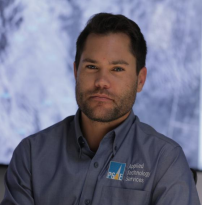
Scott is a utility-weather and fire-weather subject matter expert and has been involved in utility operations for over a decade. He directs the Meteorology Operations and Fire Science teams at PG&E and is the Chief Meteorologist during emergency activations. He leads a team of operational meteorologists and experts in meteorological modeling, cloud computing and data science. His team is responsible for developing, deploying, and maintaining meteorological and utility-specific operational models (e.g., wind-outage and fire potential index) for operational decision making.
Scott oversees and participates in internal and external utility-weather research projects and Chairs an Industry Advisory Board for an academic-industry research collaborative. He regularly interfaces with regulators and authors sections of regulatory wildfire mitigation and financial filings. Scott was recently named the SJSU College of Science Outstanding Alumni, was selected by PG&E employees and senior leadership as the champion of PG&E’s Spark innovation challenge, and his team was awarded the Margaret Mooney Innovation Award for work related to solar forecasting. Prior to PG&E, Scott worked at Sonoma Technology Inc., and researched the efficacy of satellite-based fire detection systems and modeled emissions from wildfires. Scott holds a B.S. and a M.S. in Meteorology and was one of the first graduates from the San Jose State Fire Weather Research Laboratory.
Community-Led Prescribed Fire and Fuels Reduction in Butte County, California
Date: February 11, 2026
Time: 11:00 AM PT
Abstract: This presentation explores the role of Prescribed Burn Associations (PBA's) and community-based fuel reduction programs in expanding the use of “good fire” in California, with a focus on work taking place in Butte County. Drawing on hands-on experience coordinating the Butte Prescribed Burn Association and implementing fuels projects in partnership with private landowners and CAL FIRE, the talk highlights how PBAs help reduce barriers to prescribed fire, build local capacity, and support landowners in actively managing their land with fire. Topics include how PBAs function on the ground, training and capacity building, risk management and regulatory navigation, and the cultural shift needed to normalize a culture of landowner ignited prescribed fire as a practical and accepted land management tool.
Presented by: Dallas Koller, Fire Program Manager, Butte County Resource Conservation District
Dallas is a Minnesota native who spent 10 years as a wildland firefighter on Type 1 Interagency Hotshot Crews in California before joining the Butte County Resource Conservation District in November 2021. Dallas now manages the Butte Prescribed Burn Association as well as BCRCD's fuels reduction work with the Bureau of Land Management and CAL FIRE. He hopes to promote and encourage the use of “good fire” throughout Butte County. He is a California State Certified Prescribed Fire Burn Boss (CARx) and holds a Master's Degree in Forestry Science from Colorado State University. In his spare time he enjoys running, skiing, backpacking, and discovering other new self propelled ways of getting lost in the woods.
Wildfire Impacts on California’s Agricultural Sector
Date: February 25, 2026
Time: 11:00 AM PT
Abstract: Wildfire smoke is becoming a challenge for California’s agricultural regions, affecting both crop production and the communities that sustain it. This talk examines how wildfire and wildfire smoke are reshaping risks to California agriculture, using the wine grape sector as a central case study. Evidence from wine grape yields suggests that wildfire smoke is becoming an important driver of crop productivity, shifting crop yield modeling from being primarily climate driven to models that incorporate wildfire smoke to accurately capture trends. As wildfire activity intensifies under climate change, how will these crop yield impacts evolve under future climate scenarios through the end of the century? At the same time, these impacts can have wide reaching impacts on agricultural communities that work and sustain our food systems. Understanding these risks also depends on the structure of existing data systems, which shape what aspects of agricultural life are visible and measurable. Commonly used federal datasets often overlook features such as seasonal labor, employment variability, and access to health care, complicating efforts to fully characterize wildfire impacts on agricultural communities. This talk will address how together these impacts underscore the growing links between wildfire, agricultural production, and the communities that sustain California’s agriculture.
Presented by: Astrid Hoefler, PhD
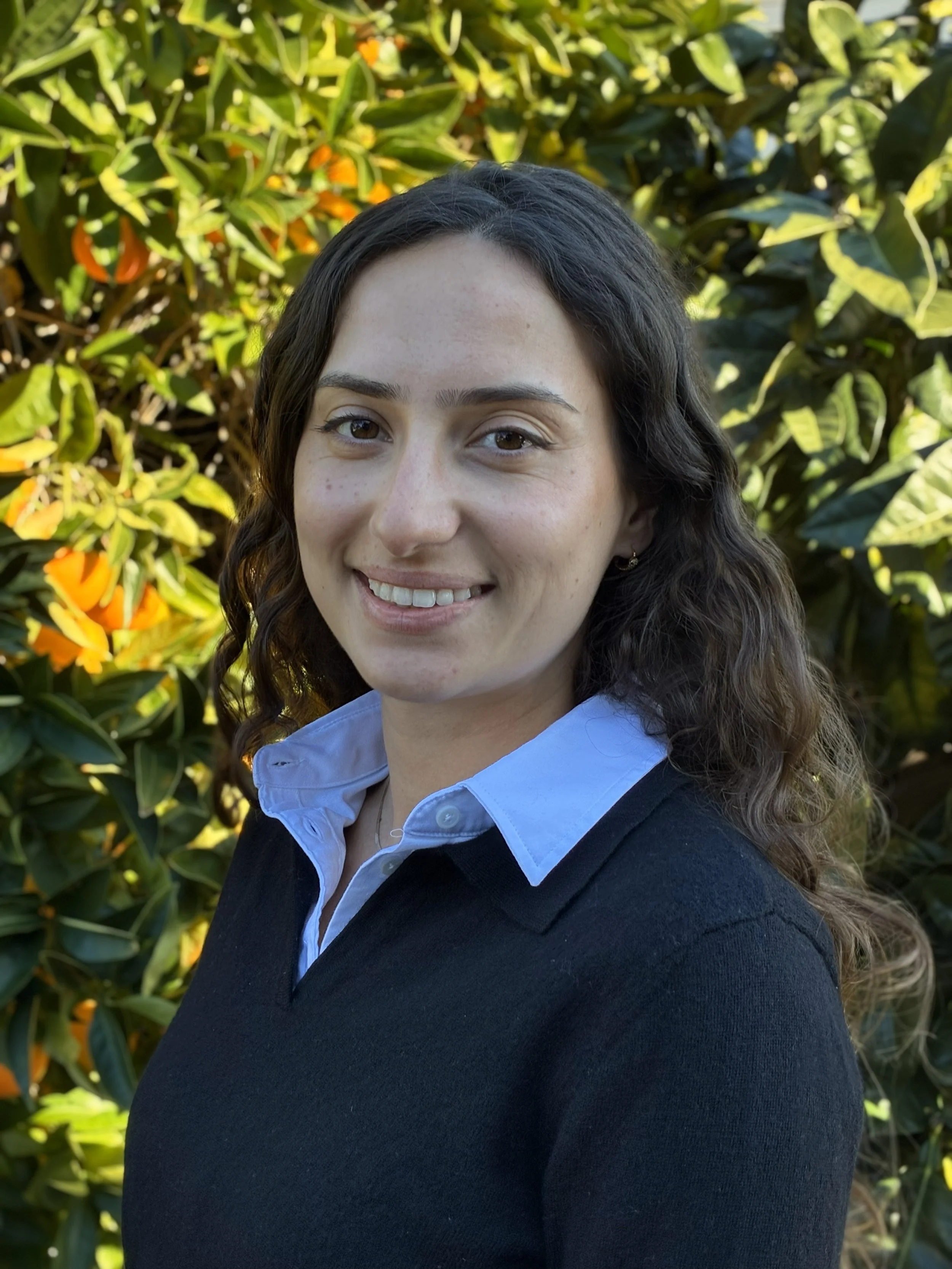
Astrid Hoefler is an environmental researcher whose work examines how climate change and wildfire smoke affect crop productivity, labor, and resilience in California’s agricultural systems. She recently completed her PhD in Environmental Studies at the University of California Santa Cruz, where she focused on understanding how increasing wildfire activity and smoke exposure influence agricultural outcomes in the wine grape sector. Her work integrates climate science and agricultural data to better understand climate driven risks and variability across regions. Astrid is interested in applied research that supports climate adaptation, wildfire resilience, and decision making at the intersection of science and policy.
Wildfire smoke: drivers, impacts, and solutions
Date: March 11, 2026
Time: 11:00 AM PT
Abstract: We use a range of data to quantify the past and future drivers of wildfire smoke across the US, the impacts of exposure to this smoke on a range of health outcomes, and the efficacy of proposed solutions to reduce smoke emissions and exposures. We find that smoke exposure is undoing decades of air quality improvements in the US and leading to tens of thousands of premature deaths across the US per year, a number that could double under future climate change. We find that efforts to limit smoke emissions and exposures through large-scale use of prescribed fire could meaningfully reduce these impacts, but would require at least a decade of sustained effort.
Presented by: Marshall Burke, Professor, Doerr School of Sustainability | Center on Food Security and the Environment, Stanford University
Marshall Burke is Professor of Global Environmental Policy in the Doerr School of Sustainability at Stanford University, a Senior Fellow at the Center on Food Security and the Environment, the Freeman Spogli Institute for International Studies, the Stanford Woods Institute for the Environment, and the Stanford Institute for Economic Policy Research. He is also a Research Fellow at the National Bureau of Economic Research.
His research uses tools from the social and natural sciences to measure environmental change, understand how society is impacted by this change, and evaluate how it can respond. His work spans topics including climate change, air pollution, food security, and poverty measurement, and combines methods from economics, statistics, remote sensing, and machine learning.
He holds a PhD in Agricultural and Resource Economics from UC Berkeley, and a BA in International Relations from Stanford.
He directs the Environmental Change and Human Outcomes Lab (ECHO Lab) at Stanford, is co-founder of Atlas AI, and co-creator of the Environmental Hazards Adaptation Atlas.
After the Fire: Biodiversity on a Burning Planet
Date: March 13, 2026
Time: 11:00 AM PT
Abstract: Fire is a critical and natural part of many ecosystems, but the nature of fire is rapidly shifting due to climate change. From a biological perspective, fire is a regular disturbance that affects the distribution and abundance of species and has shaped evolution for millions of years. Nevertheless, we are entering an unprecedented period where the dominant nature of fire is rapidly changing, disrupting both human and animal lives. This disruption occurs primarily during active fires, when flames and smoke can impact animal lives and fitness, but fire leaves long-lasting imprints on the environment, impacting animal distributions and behavior for decades. In this lecture, Dr. Morgan Tingley will discuss the myriad ways that fire has shaped the ecology of animals, primarily birds, and how the shifting nature of fire – particularly pyrodiversity – is impacting biodiversity. By learning how species are currently responding to a rapidly changing world, we are offered a glimpse into what our increasingly flammable future will hold.
We use a range of data to quantify the past and future drivers of wildfire smoke across the US, the impacts of exposure to this smoke on a range of health outcomes, and the efficacy of proposed solutions to reduce smoke emissions and exposures. We find that smoke exposure is undoing decades of air quality improvements in the US and leading to tens of thousands of premature deaths across the US per year, a number that could double under future climate change. We find that efforts to limit smoke emissions and exposures through large-scale use of prescribed fire could meaningfully reduce these impacts, but would require at least a decade of sustained effort.
Presented by: Morgan Tingley, Professor of Ecology and Evolutionary Biology, UCLA
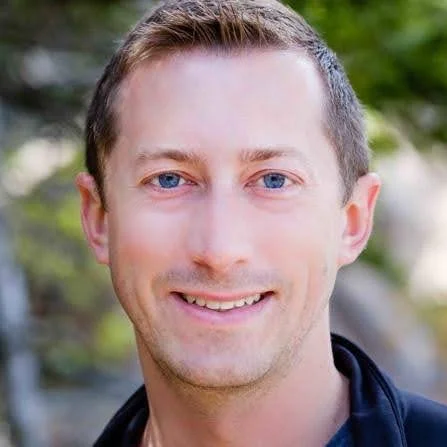
Morgan Tingley joined the faculty at the University of California, Los Angeles in 2020, after previously serving as an Assistant Professor at the University of Connecticut. He holds a Ph.D. in Environmental Science, Policy, and Management from the University of California, Berkeley. He is a recipient of the “Wings across the Americas” conservation award from the U.S. Forest Service and is currently the President-Elect of the American Ornithological Society. His more than 100 research papers have been covered widely by the popular press, including features by The New York Times, LA Times, Audubon Magazine, NPR, and Washington Post.
Indigenous Fire Stewardship: Eco-Cultural Research for Wildfire Resilience in California and Beyond
Date: March 20, 2026
Time: 12:00 PM PT
Abstract: In the Western United States, wildfire has become seasonal, altering ecosystems and setting records for acreages burned. For millennia, Tribes around the world engaged in fire stewardship, or cultural burns, as eco-cultural land tending responsibilities. However, removal of Indigenous Peoples and persistent “no burn” fire suppressive policies have contributed to the current wildfire predicament. State and federal agencies are now calling on Tribes to deploy “cultural burns”, as a wildfire mitigation and ecological restoration tool. This talk with synthesize the opportunities and barriers as well as policy-to-practice implementation of cultural fire, concentrating first on California, then offering examples throughout the U.S. With particular attention to policy and data gathering protocol, discussion will elucidate the significance of working with Tribes and state/federal agencies while offering research frameworks towards addressing the wildfire crisis.
Presented by: Melinda Adams, PhD
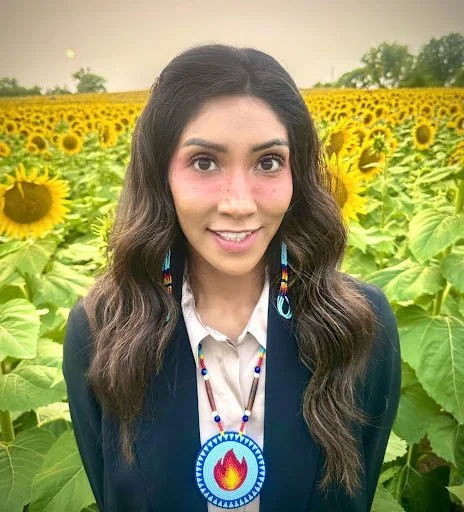
Dr. Melinda Adams belongs to the N’dee San Carlos Apache Tribe and is an Assistant Professor in the Department of Geography and Atmospheric Science at The University of Kansas. A cultural fire practitioner and scholar, her research focuses on the revitalization of Indigenous Fire Stewardship with Tribal Nations in California, the Great Plains, and Tribal Nations abroad. Her lab group works at the intersection of ecology, environmental policy, and data sovereignty. This work has been supported by The National Science Foundation, the Ford Foundation and the Robert and Patricia Switzer Foundation and has appeared in the Proceedings of the National Academy of Sciences, Global Change Biology, and The Journal of Fire. Dr. Adams holds her B.S. from Haskell Indian Nations University, M.S. from Purdue University, and Ph.D. from The University of California, Davis.
Traditional Ecological Knowledge in the Fire World
Date: April 2, 2026
Time: 12:00 PM PT
Abstract: Native people have successfully stewarded the land for thousands and thousands of years pre-contact. This presentation will delve into fire's role in ecosystem function. Fire is meant to be part of the ecosystem and its absence has had devastating effects on the environment. As wildfires continue to grow in scope and intensity and climate change mitigation becomes ever more essential Traditional Ecological Knowledge has come to the forefront of potential solutions.
Presented by: Margo Robbins, Executive Director, Cultural Fire Management Council
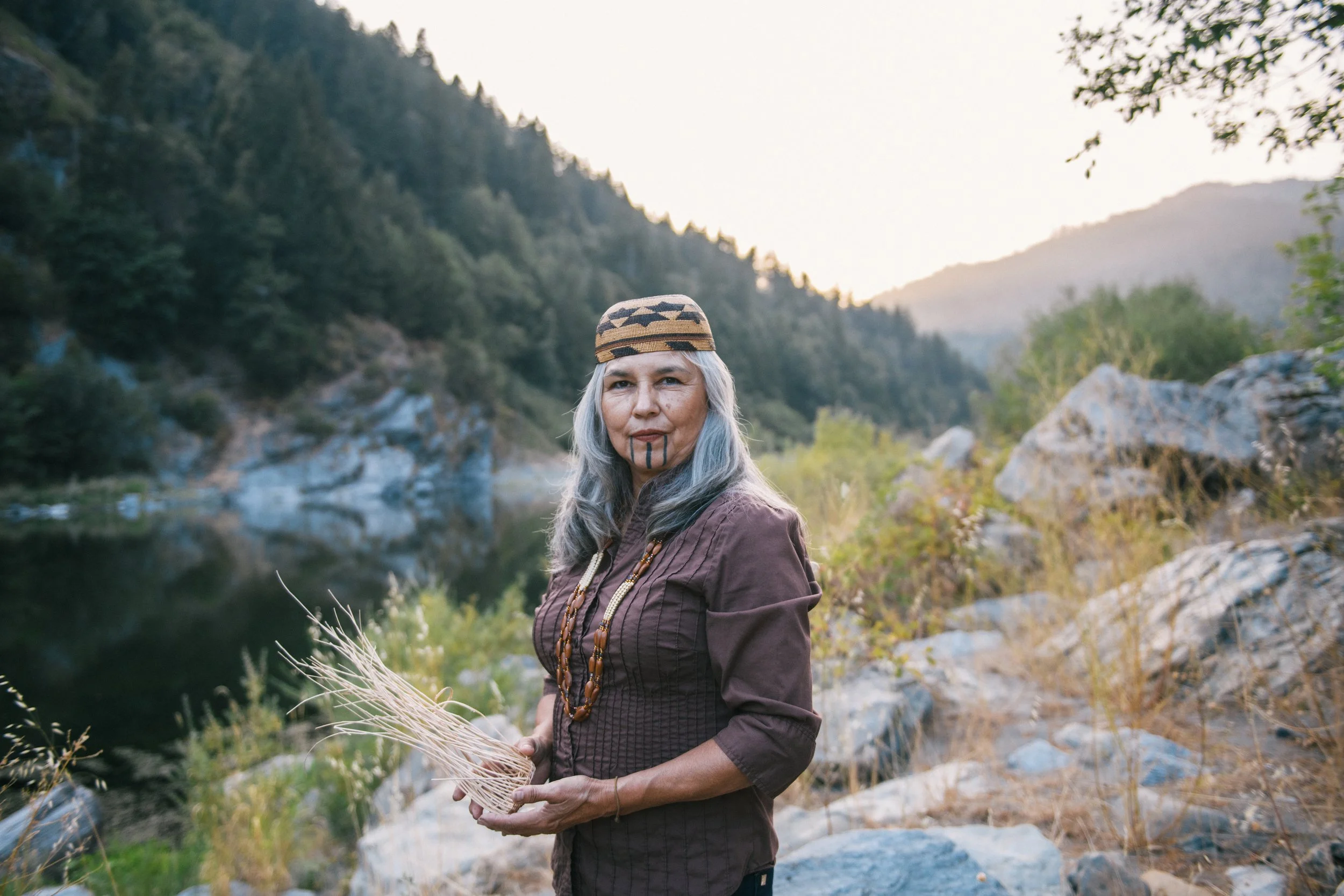
Margo comes from the traditional Yurok village of Morek, and is an enrolled member of the Yurok Tribe. She is the co-founder and Executive Director of the Cultural Fire Management Council, co-lead of the Indigenous People’s Burn Network, and member of the International Indigenous-led Fire Network. She graduated from Humboldt State University and resides on the Yurok reservation in far northern California. She previously served as the Indian Education Director for the Klamath-Trinity Joint Unified School district, she is a mom, and a grandma.
The California Fire Science Seminar Series is organized and supported by the Berkeley Fire Research Group, College of Engineering, University of California, Berkeley; the University of California, Merced and the California Fire Science Consortium. The planning committee includes Michael Gollner (UC Berkeley), Crystal Kolden (UC Merced), Jeanette Cobain (UC Merced), Scott Stephens (UC Berkeley), Autym Shafer (UC Berkeley), and Katanja Waldner (UC Berkeley).
A special thank you to the student committee who assisted with planning this series: Morgan Abbott, Yi Yan, Konstantinos Vogiatzoglou, Sol Alvarez-Taubin, Ajinkya Desai, Kase Wheatley, Minho Kim, Abigail Oswald, Yuerong Xiao, Nic Dutch, Amy Metz, and Helene Le Gall.